The Heart Safety Nurse
Denise Dawkins, RN · CPR & Safety Educator
The Heart Safety Resource Library
Child safety and injury prevention, organized by age. Practical, evidence-based guidance to help families recognize risks and be ready to respond — at every stage of childhood.
Infants
Under 12 Months
The first year of life brings unique safety risks. Babies can move in ways parents don't expect yet — and their airways, sleep spaces, and surroundings all need careful attention.
1,041
deaths from unintentional suffocation among U.S. infants under age 1
CDC WISQARS, 2024
Safety focus
- Safe sleep
- Choking prevention
- Fall prevention
- Infant CPR

Toddlers & Preschoolers
Ages 1–4
Increased mobility brings new safety risks. Toddlers and preschoolers can reach, climb, explore, and wander — often faster than adults can react.
492
deaths from unintentional drowning among U.S. children ages 1–4
CDC WISQARS, 2024
Safety focus
- Water safety
- Choking response
- Fall prevention
- Close supervision
- Child CPR

Young Children
Ages 5–9
Growing independence brings new activities and environments. School-age children spend more time in cars, on bikes, at playgrounds, and around water — often with less direct supervision.
322
deaths from motor-vehicle traffic injuries among U.S. children ages 5–9
CDC WISQARS, 2024
267,100
estimated toy-related injuries treated in U.S. emergency departments, with 68% involving children age 14 or younger
U.S. Consumer Product Safety Commission, 2024
Safety focus
- Car and pedestrian safety
- Bicycle safety
- Playground safety
- Water safety

Older Children & Teens
Ages 10–19
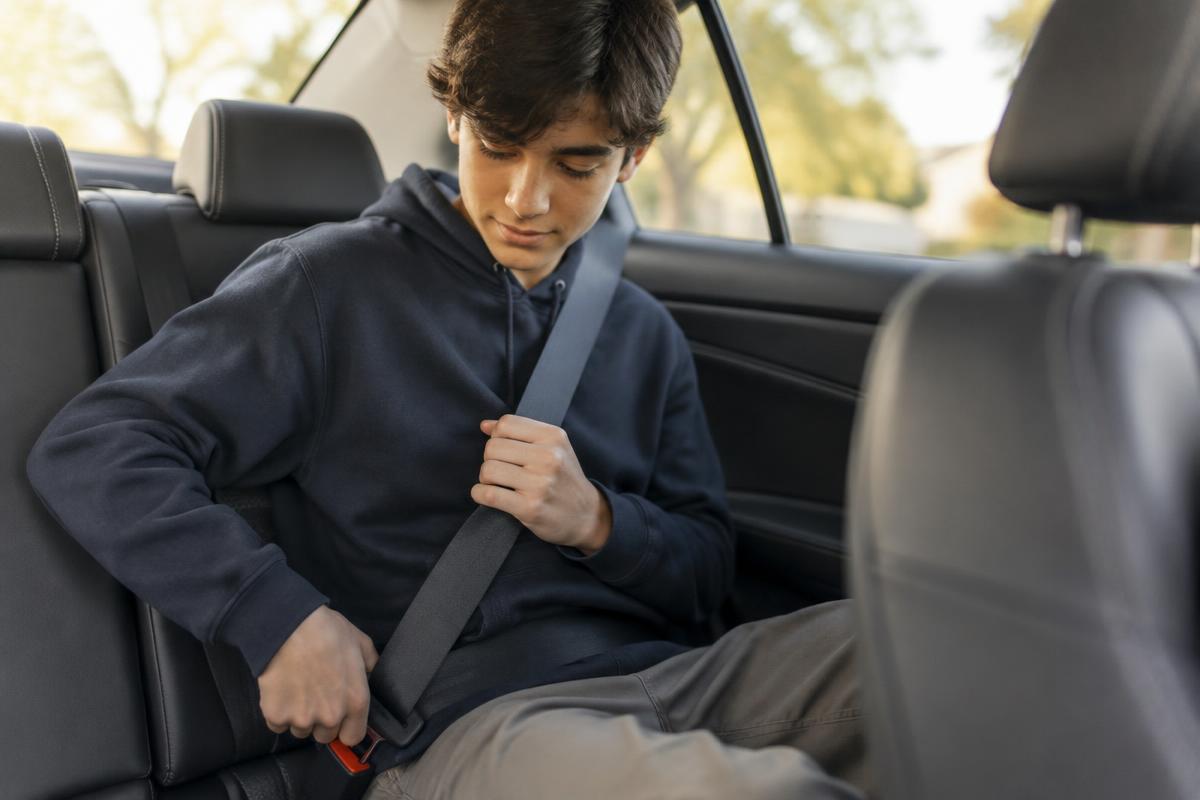
Greater independence means learning to recognize risks and make safe choices. As children and teens spend more time on the road, in sports, and with friends, preparation matters as much as supervision.
Leading cause
motor-vehicle traffic injuries were the leading injury-death category for ages 10–14 and youth ages 15–24
CDC WISQARS, 2024
Safety focus
- Seat belts
- Passenger safety
- Bicycle safety
- Water safety
- Sports safety
- Emergency preparedness
KNOW THE RISK. BE READY TO RESPOND.
“You can’t prevent every emergency—but you can prepare for one.”
- Learn CPR.
- Know how to respond to choking.
- Make your home safer.
- Know when to call 911.